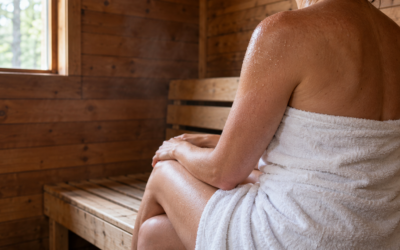
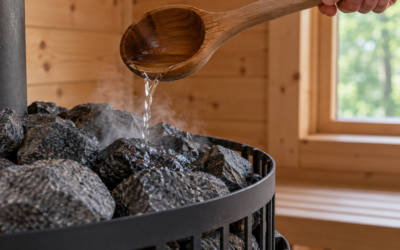
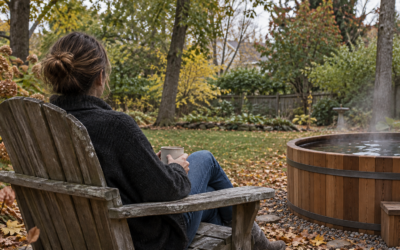
The water settles. The morning air is quiet. For a moment, there is nowhere else you need to be.
An outdoor cold plunge brings a distinctly different feeling to a wellness routine. The sensation is immediate, drawing your attention to the water, your breathing, and the world around you.
For some, it becomes a refreshing way to begin the day. For others, the appeal lies in stepping outside, putting down the phone, and making time for an experience that feels separate from the usual routine.
Approached thoughtfully, cold plunging can become a personal ritual. Here is how to think about the experience, from preparing your space to taking time to warm up afterwards.
Before You Begin: Make Space for the Experience
A good cold plunge ritual begins before you touch the water.
Have a dry towel, warm clothing, and a clear, slip-resistant route into and out of the plunge. Know the water temperature rather than guessing, and make sure someone is present who can help if needed.
Give yourself enough time to prepare and warm up afterwards. Trying to squeeze a plunge between appointments can turn an otherwise unhurried experience into something rushed.
Cold immersion places sudden demands on your body, so speak with your healthcare provider before starting. This is especially important if you have a heart or circulation condition, take medication that affects blood pressure, or are pregnant.
Enter: Take a Gradual Approach
Cold water can feel surprisingly intense, even without floating ice or near-freezing temperatures.
As you enter, you may experience an involuntary gasp and faster breathing. Your heart rate and blood pressure can rise as part of the cold-shock response.
Use a stable entry point and enter gradually. Keep your head and face above water, and avoid jumping or diving in.
Breathe naturally. Do not hold your breath or use deliberate hyperventilation techniques before or during immersion. If you cannot keep your breathing under control, leave the water promptly with assistance if needed.
Your first experience can be brief. There is no need to reach a particular depth, temperature, or duration to make it count.
Pause: Pay Attention to How You Feel
Once you are in the water, keep your attention on your body’s response.
The cold may make you acutely aware of sensations that normally pass unnoticed: water against your skin, the movement of your breath, or the sound of the trees nearby.
Some people enjoy this immediate sense of focus. Others find cold immersion unpleasant. Both responses are valid, and neither creates an obligation to stay.
A timer can help you remain aware of elapsed time, but it should never override how you feel. There is no universally suitable duration, and becoming familiar with cold water does not remove its risks.
Leave promptly if you experience numbness, pain, dizziness, uncontrolled breathing, or shivering. Do not wait for symptoms to become severe.
Rewarm: Give Yourself Time Afterwards
The experience continues after you step out.
Dry off, put on warm layers, and move to a sheltered, comfortable place. Allow time to warm up gradually, and stay with your companion while you check how you feel.
This can also be a pleasant part of the ritual: wrapping yourself in a towel, watching the garden, and returning to the day at an easy pace.
Persistent or worsening shivering, confusion, slurred speech, chest pain, or difficulty breathing require urgent medical attention. These are warning signs, rather than a normal stage to push through.
Find a Rhythm That Fits Your Life
A routine is easier to return to when it fits naturally into your day.
You might enjoy the quiet of a weekend morning or set aside time with your partner when neither of you needs to rush. Choose an occasion that leaves room for preparation, supervision, and warming up.
Let the Setting Be Part of the Ritual
An outdoor space offers details that change with the seasons.
Morning light across the water. Leaves moving overhead. The sound of rain from a sheltered seat nearby.
You do not need a wilderness retreat to appreciate these moments. A thoughtfully arranged corner of the garden can give you a reason to step outside and notice your surroundings.
Keep the Routine Simple
Prepare the essentials in advance so you can give the experience your attention.
A towel within reach, warm clothes ready, and an uncluttered path make the transition into and out of the water easier. Follow the plunge’s cleaning and maintenance guidance so the water stays suitable for use.
Leave Room for Personal Preference
You may decide that an occasional plunge suits you best. You may prefer warmer water, shorter exposure, or another outdoor ritual altogether.
Your routine can change with your health, schedule, and preferences. There is no need to keep making the water colder or the session longer.
What About the Benefits of Cold Plunging?
Cold immersion has attracted attention for its potential effects on recovery, stress, sleep, and wellbeing. Research is still developing, and findings vary depending on the people studied and the way cold exposure is used.
Some people describe feeling refreshed or alert afterwards. That personal experience is different from evidence that cold plunging reliably improves long-term health.
For a lifestyle routine, enjoyment is a reasonable place to begin. Consider whether you appreciate the experience itself, the time outdoors, and the opportunity to make a deliberate pause in your day.
A Ritual That Belongs to You
Outdoor wellness can take many forms: a quiet sauna, a comfortable seat beside the fire, or a brief cold plunge followed by time to warm up.
What brings these experiences together is the space you make for them.
At Steemd, we believe outdoor living should invite you to spend more time enjoying your surroundings. A cold plunge can become one part of that experience—a fresh sensation, a change of pace, and a moment of attention in an otherwise busy day.
View and download Steemd’s Cold Plunge Protocol